Scaling Agentic Coding adoption via Live Sessions
Anderson Carneiro · April 30, 2026 · 8 min read


AutoScout24 Group has been ahead of the curve on more than one engineering shift. I remember attending AWS re:Invent at the end of 2024 and hearing organizations debate whether to adopt a Platform Engineering model. At AS24 Group, that conversation was already behind us as we had been working that way since 2017. That structure helped us merge two organizations across the globe, each with different business units, different tech stacks, and different engineering practices. We already knew how to scale engineering through enablement, standardization, and shared foundations.
Adopting GenAI is a different challenge. The speed of change has been hard to follow: new coding agents, new workflows, new techniques, and new expectations appearing almost weekly. Keeping up is hard for any organization. Doing it across time zones, tech stacks, and teams makes it harder, and we felt that directly.
Interest from engineers was not the problem; we are actually proud of the engineering team we have. The harder challenge was helping people learn fast enough, together enough, and practically enough to turn curiosity into everyday usage. To unlock knowledge sitting quietly inside teams. To remove the fear of getting started.
On top of that, we were in the middle of a company-wide tooling transition. After a deep evaluation by our AI Champions, we moved away from the agentic coding assistant most engineers had been using since 2023 and recommended the best-in-market tools available. So, the situation looked like this: two time zones, different tech stacks, different levels of experience with what agentic coding could do, a fast-moving market, and a company-wide switch happening in parallel. While we have experience with engineering shifts, this combo presents a challenge that a traditional rollout was not going to solve.
Twitch + pair programming = AS24 Group live sessions
During 2025, we ran a standard format of Show & Tell: Once a month, structured, outcome-oriented, power pointy. It was positive to inspire teams by showing the results of projects where engineers were using coding agents. We felt, however, that this format was not enough to help more engineers to get started, and we decided to try something completely different this year.
Before I get into the format, let me share what we are actually seeing right now. Between February and April 2026, the adoption of our newly recommended agentic coding assistants grew significantly, while the previous default tool saw a meaningful decline. More importantly, the way we use these tools has changed: it is now more agentic and community-driven.
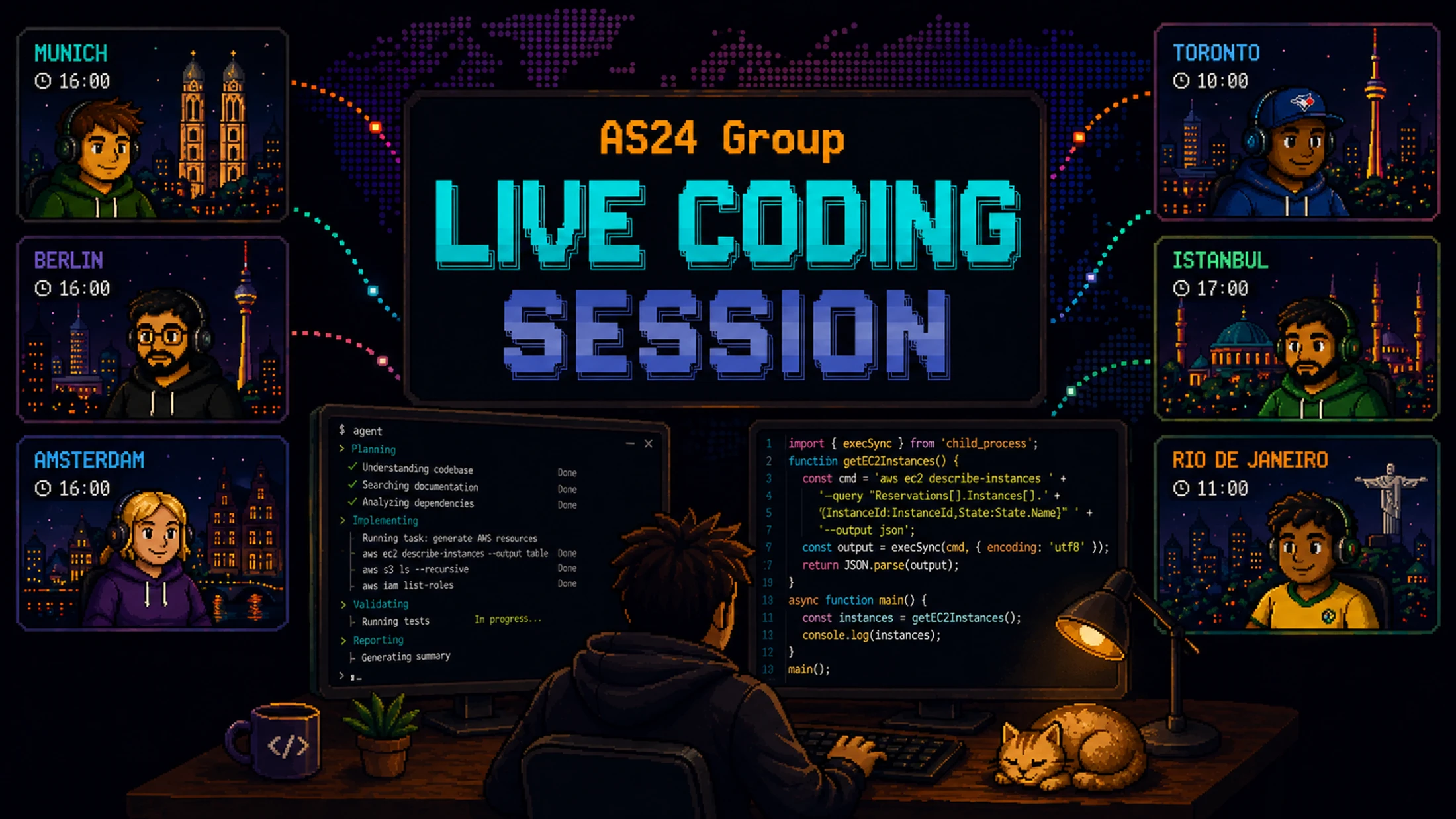
Engineers build confidence through pair programming, shared problem solving, and learning by doing. We tried to scale that dynamic: Twice a week, for thirty minutes, we run live sessions. The invite goes out to all engineers across the company, and anyone can opt in to join. So far, 3400 total attendees have joined across 20 sessions, covering 20 different use cases.
The format is deliberately stripped down. No slides, no presentation mode. Just live agentic coding, real workflows, and whatever happens, including mistakes. Fixed day, fixed time, every week. That predictability turned out to matter more than I expected. It lowered the barrier to show up.
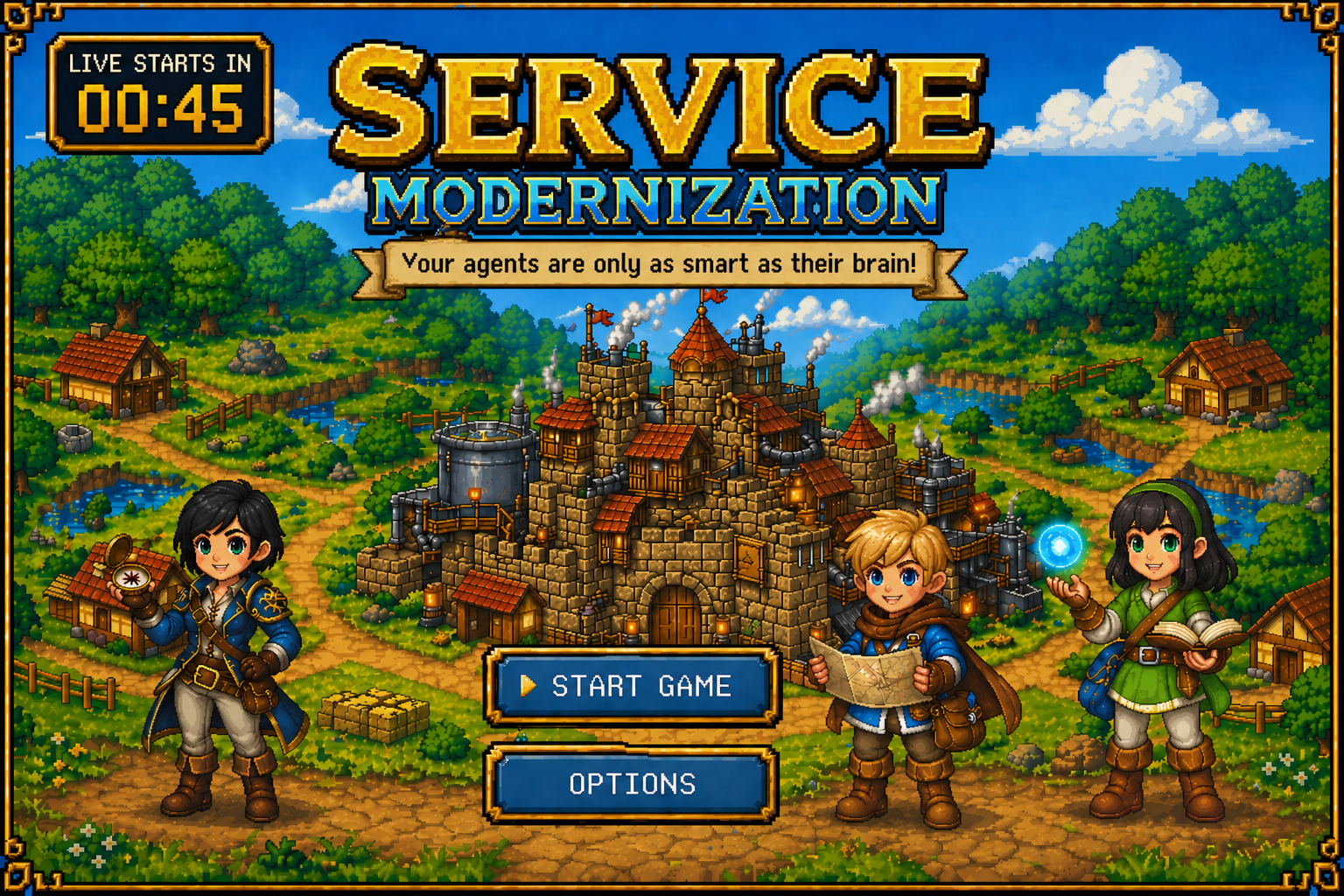
The informality was partly a gift from leadership. I remember when I came in with a formal “broadcast guide” to get the project approved, they told me: Anderson, just start this Thursday and get this going. It was Tuesday 😅, but it was the right call. We started and improved over time.
Mistakes, open questions, ”I don’t know that”, and similar moments are welcomed. There is no expectation that presenters show only success. One of our AI Champions opened a recent session with a blunt statement: it is impossible to automate 100% of our workflows. Then he walked through how he was dealing with that by introducing deterministic, coding-based steps into his process instead of relying only on markdown files. That kind of honesty is more useful than a polished demo. While we know the direction we want to go, agentic coding is evolving too fast for anyone to pretend they have the perfect playbook. What matters right now is building a culture where people can learn and improve together.
The live demo is only half of the experience. The other half is the chat.
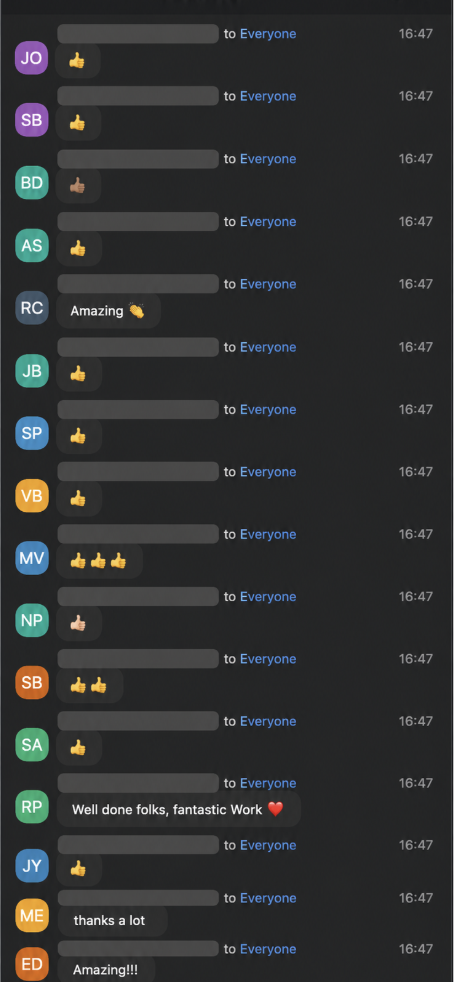
If you have never watched a Twitch stream, the chat is not a sidebar. It is a participant. While someone is presenting, engineers share variations, ask sharper questions, connect the demo to something their own team is dealing with, and build on each other’s ideas in real time. In more than a few cases, what started in the chat turned into something bigger than the original session.
One example: a side comment about using a diagramming tool integration sparked a broader conversation that eventually became a documented resource and a reusable skill. The community skills marketplace came the same way. It emerged because engineers wanted better ways to share workflow improvements, not because we designed it that way. The Platform team later stepped in to organize and scale what was already working in practice. That order matters: exploration first, standardization second. It means Platform teams spend their time on things that have already proved useful, not on predictions.
Over time, the sessions developed their own identity, inspired by the 16-bit era and 2D sprites. We built small games and interactive moments with the community. When we were preparing the integration of the Canada and European marketplaces, we added an easter egg: a tractor moving across the screen to mark the milestone 🚜. A tiny detail, but it carried something: a shared moment around a huge company’s achievement. It made the sessions memorable in a way a slide deck never would.
AI Exchange Podcast: an open space for harder questions
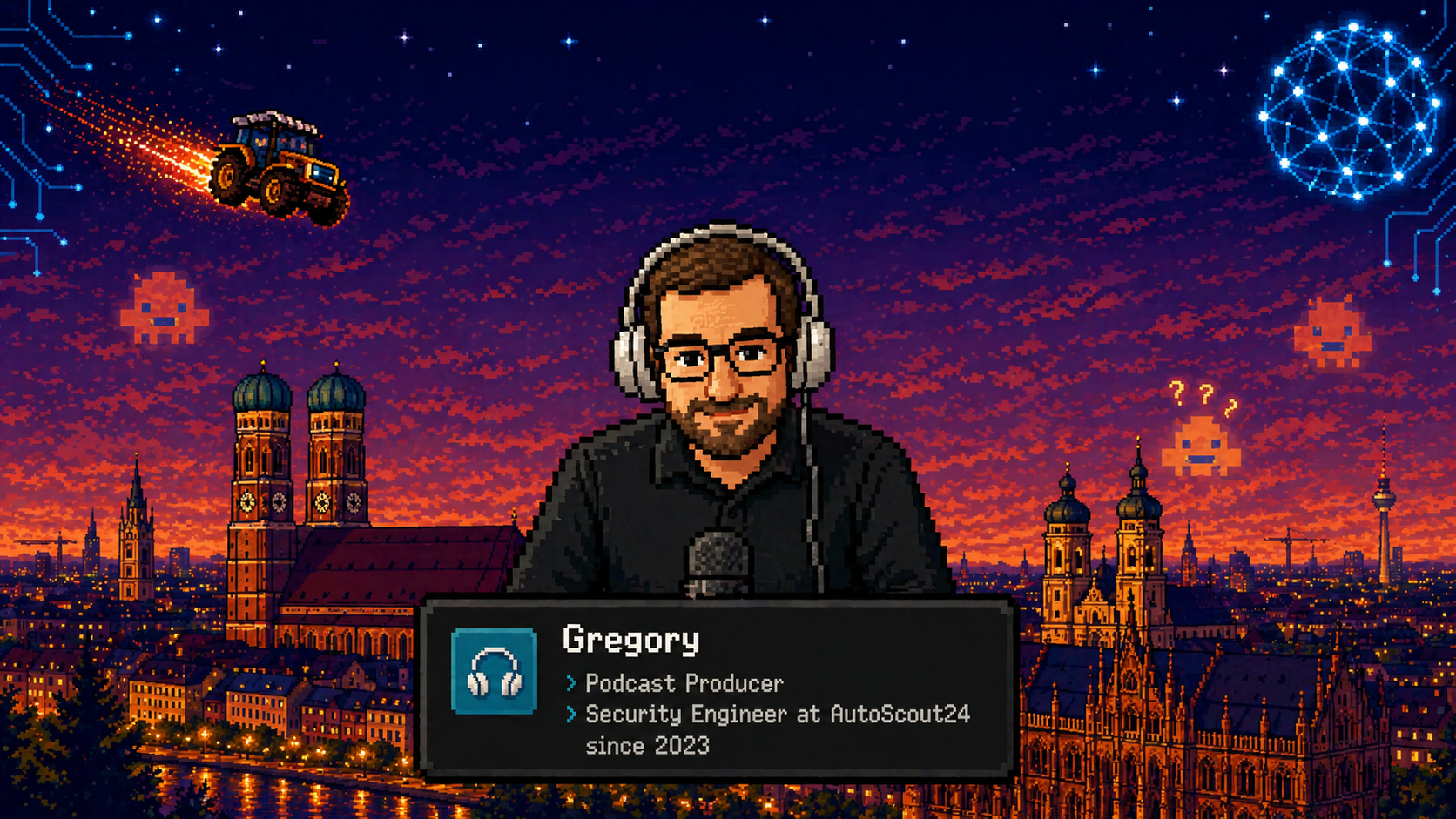
The live coding sessions were not the only format we tried. Together with Dominik Bermühler and Gregory Weibell, who both shared a taste for the more unconventional challenges, we started the AI Exchange Podcast.
The podcast is a different space. Instead of showing live solutions, we wanted somewhere to sit with the questions nobody has clean answers to yet. How do you deal with security? What actually is an LLM? How do you handle the growing volume of pull requests that agentic coding brings? What does a realistic picture of the future look like?

Twice a month, we invite guests to dig into a topic. A memorable episode was about how language models actually work. Many of us use them daily without understanding what is behind them. Vadim Shiianov from our Data Science team gave what we can consider a lecture: how LLMs work, why they hallucinate, and why they sometimes seem to tell you what you want to hear rather than what is true.
I really enjoyed another one about “How to keep up in the age of AI”. AI is changing the way we work; while it is exciting, it can also be challenging. In this episode, AI Champions from 3 different business units shared the challenges they are facing and the solutions they found during this engineering shift.
Getting the podcast running was a project in itself. We had to learn OBS, Zoom Webinars, scripting, and graphic generation from scratch. By the way, this project is a good example of how AI can help when you are willing to approach things differently.
The impact goes beyond the numbers
What stands out most to me goes beyond the adoption data of coding agents we see growing. It is the connections this cultural shift created. Watching engineers from different teams interact, answering each other’s questions, and recognizing their own problems in someone else’s workflow is hard to measure and very easy to feel.
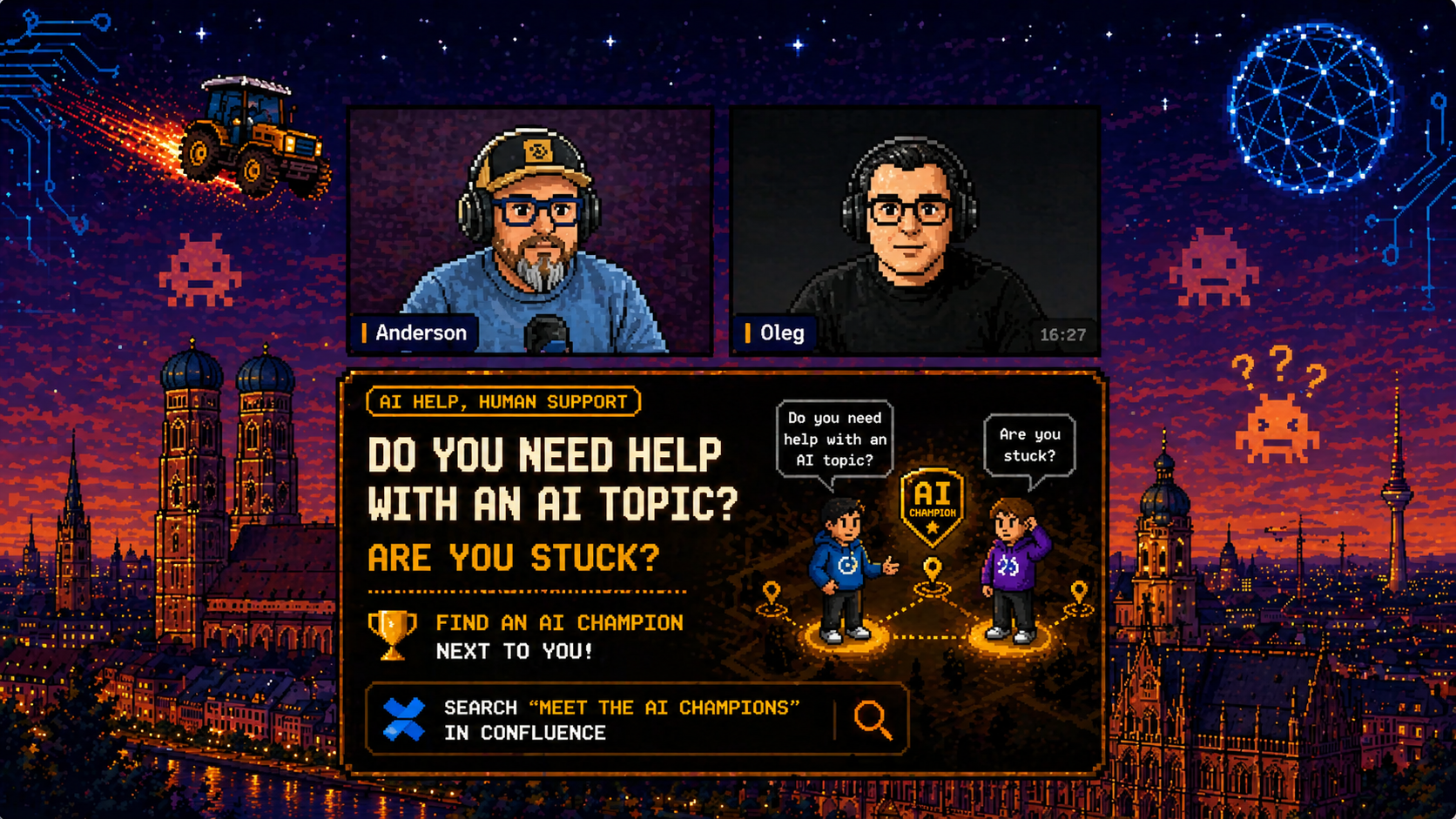
Adopting agentic coding is about helping an organization navigate a real shift in how work gets done. That requires not only tooling availability and speed, but it mainly requires space. Space to experiment, ask questions, show unfinished work, and ask for help from someone who just ran into the same thing from a different angle.
More than anything, this is what we have been building at AS24 Group during another engineering shift.